1. Two layers of rules
Packaging in the EU is regulated on two levels, and buyers often mix them up.
- The EU level: the Packaging and Packaging Waste Regulation (EU) 2025/40, known as PPWR. It sets requirements for how packaging is made, labelled and documented. It applies from 12 August 2026, and many of its requirements phase in over the following years.
- The national level: extended producer responsibility (EPR) schemes. They decide who registers, reports quantities and pays for collection and recycling in each country.
This guide is a practical overview for buyers, not legal advice. For your own obligations, check with your EPR scheme or adviser.
2. What counts as packaging
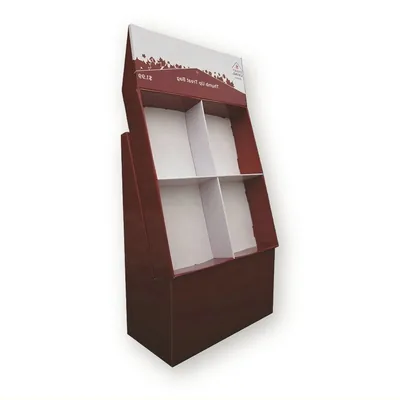
Most of what a shop hands over with a sale is packaging: carrier bags, boutique bags with rope handles, gift boxes, tissue paper, ribbons used to wrap a purchase, drawstring pouches, mailer boxes, PE mailers and air cushions. Shop fittings such as displays, hangers used in the store or shelving are not packaging. A hanger that leaves the shop with the garment can count as packaging in some national schemes, so ask your scheme how they treat it.
3. What PPWR changes for the buyer
PPWR moves from a directive to a regulation, so the core rules are the same in every member state. For packaging buyers, the points to watch are:
- Recyclability: packaging should be designed for recycling, with grades and criteria introduced in stages. Mixed materials, such as a paper bag with a plastic window or a laminated box, deserve a closer look.
- Minimisation: weight and volume should be reduced to what the function needs. Empty space in shipping and e-commerce packaging is a stated target.
- Labelling: harmonised labels on material composition and sorting will follow, replacing a patchwork of national marks over time.
- Substances: limits for heavy metals continue, and PFAS are restricted in food-contact packaging.
- Documentation: the manufacturer prepares technical documentation and an EU declaration of conformity for the packaging.
The exact dates differ by requirement. We follow them as an importer and tell you what applies when you order.
4. National EPR schemes: who registers
EPR registration usually falls on the business that first places packaged goods on a national market. For a shop that buys printed bags and fills them at the till, that is usually the shop. For an online seller that ships orders into another country, it can mean registering in that country as well.
| Country | Scheme or register buyers usually meet |
|---|---|
| Germany | LUCID packaging register |
| Poland | BDO database |
| France | EPR for packaging with Triman and Info-tri labelling |
| Italy | CONAI |
Fees, thresholds and reporting dates differ by country and change from year to year, so we do not quote them. We advise on what data you need and give you weights and materials per item, but we do not register for the client.
5. The data your scheme will ask for
Reporting is easier when the supplier gives you clear data per item. When you order from us, ask for:
- material per component: paper, board, plastic film, cotton, jute, metal;
- weight per piece and per component, for example bag body, handles and window;
- paper gsm and board grade;
- quantity per carton and per order.
A boutique bag with cotton rope handles and a plastic reinforcement is three materials. A magnetic gift box has board, paper wrap, magnets and sometimes a foam insert. Keep this data with the order, because you will need it at the next reporting date. If you run several stores or sell in several countries, keep one sheet per item with the data and the quantities shipped to each market. It saves hours when the reporting period closes and makes it easy to compare two bag designs on weight before you reorder.
6. Design choices that make compliance easier
You can lower risk and often cost by simplifying the packaging:
- choose paper handles over rope handles where the look allows it;
- avoid laminating a bag that will be printed in one colour anyway;
- prefer kraft or white paper with water-based inks for everyday bags;
- size mailer boxes to the products, not to the largest item;
- use paper crinkle or air cushions only where the product needs protection.
None of these choices makes a bag automatically “recyclable” in a legal sense, and we do not use that word without data for the specific product. But fewer materials mean simpler reporting and fewer questions later. Our private label page shows the print and finish options.
7. Food packaging is a separate topic
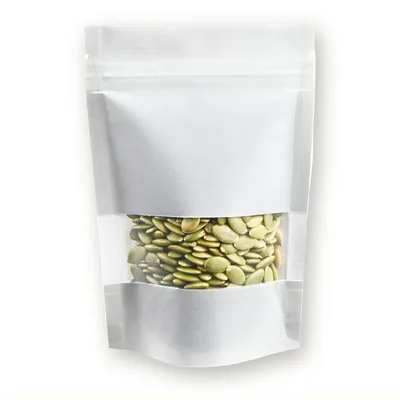
Takeaway bags, bakery bags and kraft stand-up pouches for coffee, tea or snacks come into direct contact with food. They fall under the food-contact framework, Regulation (EC) 1935/2004, and, for plastic layers, Regulation (EU) 10/2011. We request a declaration of compliance from the manufacturer per order. Without that declaration, we do not describe a bag as suitable for food contact.
8. Single-use plastic carrier bags
Many EU countries charge a levy on plastic carrier bags or restrict lightweight ones, and the rules differ by country. If you hand out PE or laminated PP bags, check the national rule for each country where you trade. Woven PP, non-woven, cotton and jute bags are usually sold or given as reusable bags, which changes how they are treated in several countries. If a cotton or jute bag is sold to consumers as a product in its own right, textile labelling of the fibre content applies as well.
9. What we provide as importer
When we import packaging, we act as the EU importer for that order. That means we:
- request the manufacturer’s documents, including REACH statements and, where relevant, food-contact declarations;
- give you material and weight data per item for your EPR reporting;
- tell you which PPWR requirements apply to the packaging at the time of the order.
Our quality page lists the documents by product type.
Plan it into the order
The best time to sort out packaging data is when you choose the design, not at the reporting date. Send us your packaging list and we include materials and weights in the offer.