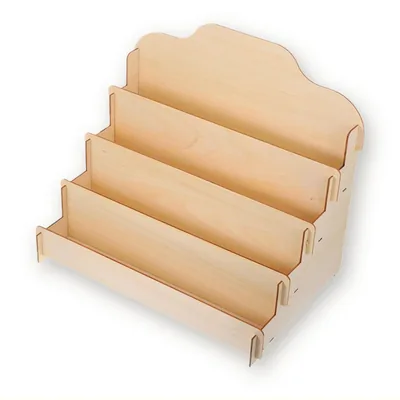
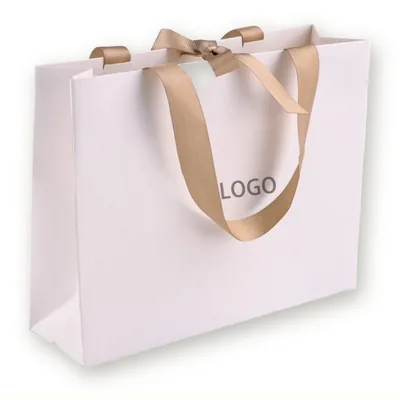
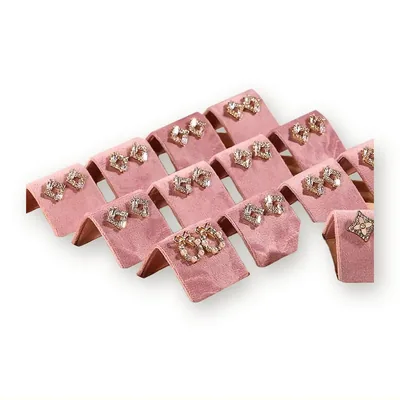
1. Start from the store, not from the listing
A fashion boutique needs a few dozen hangers, two mirrors, sign holders and printed bags. A retail chain needs the same gondola run and lightbox in forty outlets. A brand needs a counter display that a buyer at a grocery chain will accept. Write down what you need, how many units, the opening or season date and the countries where the goods will be used.
Then look at the calendar. Store refits cluster before the spring and autumn collections, and Christmas packaging has to be printed by late summer. Factories stop for 3–5 weeks during the holidays in late January–February. Our how it works page shows the order dates that follow from this.
2. Find manufacturers, not only listings
Many offers on factory platforms come from trading companies that resell the same stand or bag. Ask for the business licence, the company’s age and export history, and a video call from the production floor. If you plan to print your logo or change a size, you want the plant that cuts, prints or welds the product.
Specialisation matters in this category. A paper bag converter is rarely the best source of acrylic risers, and a shelving plant does not make LED neon signs. A full store list usually means several partner factories, and that is where consolidation becomes the real job.
3. Compare quotes on delivered cost
Send each supplier the same specification and ask for:
- price per piece and the MOQ per model, size and colour;
- material and thickness: board grade, acrylic thickness, steel gauge, paper gsm;
- print method and set-up cost for plates, screens or foil dies;
- packing method, carton size and gross weight;
- production time and payment terms.
Carton data decides the margin. Flat-packed cardboard displays and paper bags are light but take volume. Gondola shelving, pallet trucks and mirrors are heavy or fragile and ship on pallets. A cheap floor mirror that arrives cracked costs more than an expensive one that arrives whole.
4. Decide what to buy as stock and what to customise
Not every item earns a custom version. Standard items such as price tag clips, boltless shelving, chrome wire racks, wire hangers or pallet trucks are best bought as catalogue models at the factory minimum. Items the customer sees and carries home are where your brand pays back:
- paper bags, gift boxes and tissue with your logo;
- hang tags with hot-foil stamping or embossing;
- roll-up banners, lightboxes and LED neon signs with your artwork;
- wooden hangers with a printed or engraved logo.
Custom work adds set-up costs and a few days for artwork approval, and it raises the minimum. A sensible first order mixes catalogue fixtures with one or two printed lines, then extends the custom range once the sizes are proven in the shop.
5. Sample the way the shop will use it
Assemble the display and load each shelf to the weight your products will put on it. Hang a winter coat on the hanger and turn the hook. Fill the paper bag and lift it by the handles. Switch on the spotlight and check the light colour against the sample card. Scratch the acrylic edge and check the polish.
Keep one approved sample as the reference for production and inspection. Our samples page explains how sample costs are credited against the order.
6. Approve print and finish in writing
For anything with your logo, the contract should hold the artwork file, Pantone references, print method, material, size and packing. Ask for a digital mock-up first and a pre-production sample when colour matters. A typical payment split is a deposit of 30–50 % with the balance before shipment.
7. Inspect before the goods leave
A pre-shipment inspection checks quantity, workmanship, function, packaging and labels on a statistical sample (AQL). In shop fittings that means:
- weld seams, powder coating and shelf load on metal racks;
- edge polish, scratches and protective film on acrylic;
- print registration, colour and glue lines on bags and boxes;
- lighting function, cable length and plug type on spotlights and LED signs;
- packing strength for glass and mirrors.
Pay the balance after you have seen the report.
8. Choose the transport
Sea freight suits full containers of shelving or bags. Rail is a middle route for mixed orders to Poland. Air is for samples and urgent light items such as tags or ribbons. Fragile and heavy goods need pallets and corner protection, and a mixed order should be planned so that the cardboard displays do not travel under the steel racks.
| Goods | What drives the freight cost |
|---|---|
| Paper bags, mailer boxes, cardboard displays | Volume |
| Gondola shelving, pallet trucks, stackers | Weight |
| Mirrors, lightboxes, acrylic cases | Volume plus protective packing |
| Tags, ribbons, price clips | Small; often combined with other goods |
9. Customs, duty and VAT
The importer of record files the import declaration, pays customs duty according to the tariff code of each product and pays import VAT. You also need an EORI number. Paper bags, steel shelving, acrylic stands and LED lights sit under very different codes, so check each line before you calculate your margin. When we import, duty and VAT are settled in Poland and you receive an EU invoice with VAT handled under the normal intra-EU rules.
10. Make the goods legal to use or sell
Shop lighting and LED signs need CE marking, and we request the declaration of conformity and test reports per model. Pallet trucks and lift tables are machinery with their own CE route. Printed packaging falls under the Packaging and Packaging Waste Regulation (PPWR), which applies from 12 August 2026, and under national EPR schemes. Where an item reaches consumers, for example hangers or mirrors sold in the shop, the GPSR applies too. Our quality page lists the documents by product type.
The alternative
If you would rather not be the importer, buy through an EU importer: you get an EU invoice, inspected goods, documents and one delivered price for fixtures, POS and packaging together. That is what we do. Send us your store list and compare it with your own calculation.