1. Before you write the list
Start with three documents: the floor plan with dimensions, the opening date and the product range with expected stock levels. From the plan you get wall lengths, the number of gondola runs and the fitting room count. From the range you get the number of hangers, the shelf loads and the bag sizes. From the date you get the order deadline.
Decide who does what. A shopfitter or store designer plans and installs. We supply the fittings, POS and packaging as one consolidated order. We do not design stores or install fixtures, so share the shopfitter’s drawings with us when you ask for a quote.
2. Entrance and window
- A-boards for the pavement: snap-frame, steel or chalkboard, with a water-base for windy streets;
- window display stands, acrylic risers and poster holders;
- an LED neon sign, lightbox or 3D channel letters with your logo;
- floor sign stands for opening offers;
- queue stanchions if you expect queues on the opening day.
Check local rules for pavement signs and outdoor signage with the landlord or the municipality before ordering.
3. Sales floor
- gondola shelving or wall shelving, with the shelf count and load per shelf;
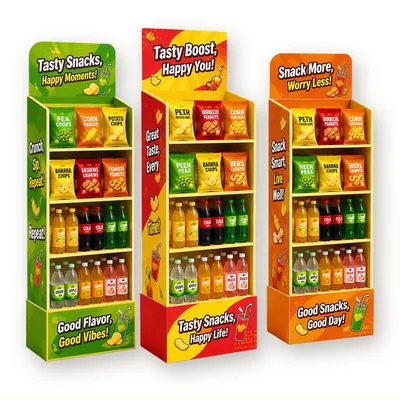
- display stands: floor and counter displays, pegboard and rotating stands, wooden and metal racks;
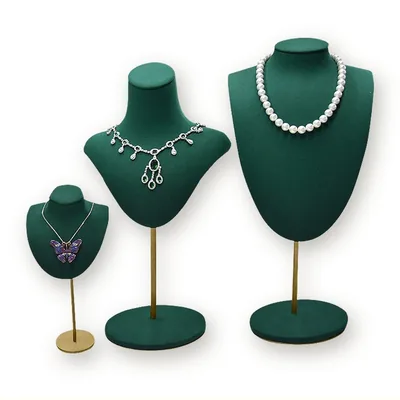
- for jewellery and accessories: necklace busts, earring stands, rotating towers, velvet trays, bracelet and watch displays;
- sign and price holders, price tag clips and shelf wobblers;
- leaflet holders and folding brochure stands.
Clothing rails, slatwall, mannequins, dress forms, glass showcases and counters are in the catalogue too: see clothing rails and slatwall, mannequins and dress forms and showcases and counters. Add them to the same list so they travel with the rest; made-to-measure pieces are sourced on request.
4. Hanging and fitting rooms
- hangers by type: wooden for jackets and coats, velvet for knitwear and blouses, ABS for everyday lines, trouser and clip hangers, kids hangers;
- accessory display hangers for scarves, belts and socks;
- full-length floor mirrors and wall mirrors on the sales floor;
- LED-lit mirrors or frameless acrylic mirrors in fitting rooms.
Count hangers by rail length and garment type, then add a reserve for the first delivery of a new season. A shop with mixed hanger types looks less tidy than one with one or two types used consistently. Our hangers category lists the models with MOQs.
5. Lighting
- track spotlights and track for accent light;
- downlights or LED panels for general light;
- linear lights over gondola runs;
- LED strips and power supplies for shelves and niches;
- spare spotlights and drivers from the same batch.
Keep one colour temperature per zone and ask for CE documents per model. Your electrician connects everything on site.
6. Till and packing point
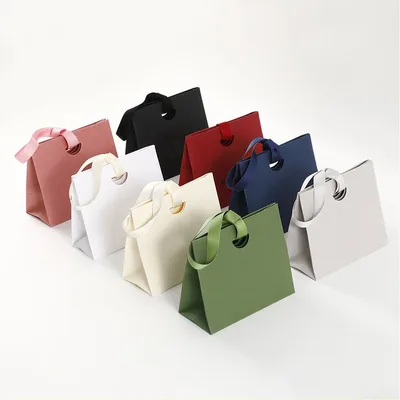
- printed paper bags in two or three sizes;
- reusable bags if you sell them: non-woven, cotton, jute or woven PP;
- gift and jewellery boxes, tissue paper, ribbons and drawstring pouches;
- hang tags, seal tags, tag strings and labels on rolls;
- counter displays for impulse items.
Order packaging for the opening plus at least two to three months of use. Printed items take the longest, so approve the artwork first.
7. Stockroom
- boltless or chrome wire shelving, or medium-duty racks for heavier stock;
- shelf bins and lidded crates;
- a manual hand pallet truck if goods arrive on pallets;
- step ladders or platform ladders for high shelves;
- a scissor lift table or manual hydraulic stacker for larger stores.
Ladders and lifting equipment come with their own documents. We supply them with the manufacturer’s CE documents and the standards the manufacturer states, such as EN 131 for ladders. Our stockroom equipment category lists load and lift data per model.
8. Online and click-and-collect
If the store also ships orders, add printed mailer boxes, PE mailers, thermal labels and air cushions. Using the same logo and colours on mailers as on the paper bags keeps the brand consistent across channels. A shelf or bin for parcels waiting for collection belongs on the stockroom list.
9. Turn the checklist into one order
Buying from many suppliers means many deliveries, many invoices and many chances that one late item stops the opening. A consolidated order works differently:
- you send one list with quantities and any print details;
- we return one offer with prices, lead times and documents per line;
- items are inspected and packed with fragile goods protected;
- you receive one delivery on mixed pallets and one invoice.
Our store fit-out page explains the process.
10. Timeline
| Stage | What happens |
|---|---|
| Planning stage | Floor plan, range, list draft |
| Before order | Quote, samples of key fixtures and printed items |
| Order | Artwork approval, deposit, production |
| About 8–12 weeks after order | Goods in our warehouse, delivery to the store |
| Final days | Installation by the shopfitter, stocking |
Openings before the spring and autumn collections are the busiest. Leave room for the factory holidays in late January–February if the opening is in spring.
11. Chains: write the specification once
For retail chains and franchise networks, the first store becomes the template. Write down every model, colour, finish and quantity per store format, and keep approved samples. Each following store is then a repeat order against the same specification, with the same look and simpler reorders.
Keep a short record per outlet too: which hangers, bag sizes and light models it uses and how fast packaging runs out. When a store reports low stock, the reorder is a line on an e-mail, not a new project. Over time the record also shows which items wear out first, such as A-board frames or banner prints, so they can join the next consolidated order instead of being bought locally at a higher price.
12. Common gaps on fit-out lists
- no spare banner prints or lightbox graphics for the next campaign;
- hangers counted for the sales floor but not for the stockroom;
- no ladder for the top shelves;
- bags ordered in one size only;
- no plan for where pallets are unloaded on delivery day.
Next step
Send us your list, even as a rough draft. We return an offer within 2 working days with lead times per line. Request a fit-out quote.